- 08067741640
- info@nants.org

Close

Book Now
Error: Contact form not found.
Contact Info
- No.19 Dan Suleiman Crescent, Behind Utako Market ,, Abuja, Nigeria
- +234 0907 010 2913
- info@nants.org
Nigeria moves to overcome hurdles in regional trade integration - The National Association of Nigerian Traders NANTS
11Sep’25
Despite Nigeria’s leading role in West Africa’s trade landscape, structural and policy barriers continue to limit the full benefits of intra-ECOWAS commerce. Poor infrastructure, fragmented customs systems, and currency mismatches remain some of the biggest obstacles facing traders across the region.
These issues took centre stage at the West Africa Economic Summit 2025, held in Abuja in June, where policymakers, private sector leaders, and trade experts engaged in frank discussions about the region’s economic future.
Nigeria’s Position in Regional Trade
President Bola Ahmed Tinubu, in his opening remarks as ECOWAS Chair, acknowledged that intra-regional trade still accounts for less than 10% of total commerce in West Africa. He stressed that this low figure is not about a lack of will but about poor coordination.
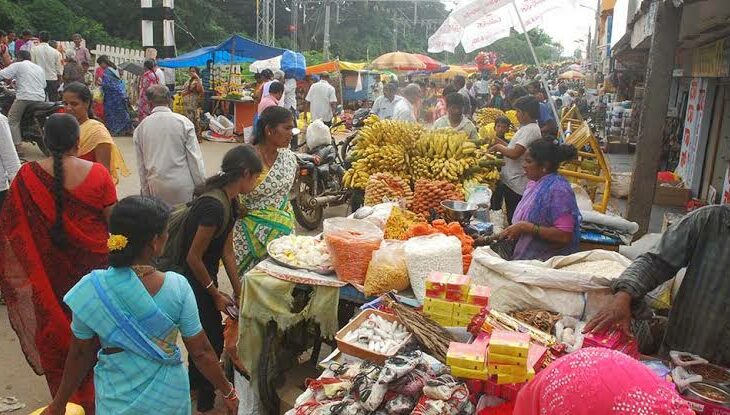
Nigeria currently dominates regional trade, accounting for over 70% of intra-ECOWAS commerce. Yet, much of this is informal — carried out across land borders in Seme, Illela, and Jibia — with goods like foodstuffs, clothing, petroleum products, and household items. While these informal networks sustain livelihoods, they are rarely captured in official statistics, meaning governments and associations like NANTS must continue advocating for recognition, support, and fair policies for traders operating in these spaces.
Key Challenges for Traders
-
Infrastructure Gaps – Bad roads, delays at borders, and weak transport systems make moving goods costly and time-consuming.
-
Customs Fragmentation – Despite ECOWAS agreements, traders still face multiple checkpoints, inconsistent tariffs, and bureaucratic red tape.
-
Currency Mismatches – Different national currencies increase costs for cross-border trade, especially between Nigeria and francophone countries.
For traders, these translate into higher costs, reduced competitiveness, and missed opportunities.
Opportunities Highlighted at the Summit
The summit emphasized three areas with direct relevance to Nigerian traders:
-
Digital Identity & Trust: Experts, including the Director-General of the National Identity Management Commission, argued that unified digital identification across ECOWAS can reduce fraud, ease access to financial services, and help small traders operate across borders more confidently.
-
Youth & Innovation: Nigeria’s young population is already driving growth in fashion, music, agriculture, and digital services. With proper support, these sectors can expand regional trade opportunities for small businesses.
-
Private Sector Partnerships: New initiatives like the National Export Trading Company aim to create structured platforms for commodity exports, giving farmers and MSMEs better access to markets.
What This Means for Nigerian Traders
For the Nigerian trader — whether in a rural market, a border town, or a big city — these discussions are not abstract. They directly affect:
-
Ease of moving goods across ECOWAS countries.
-
Access to affordable finance and recognition of informal trade.
-
Fairer policies that reduce harassment and exploitation at borders.
-
Opportunities to benefit from AfCFTA and structured export platforms.
NANTS’ Role
As the voice of Nigerian traders, NANTS will continue to engage government and ECOWAS institutions to ensure that traders are not left out of the integration agenda. We believe regional trade should not just be about policies and statistics but about real people, real markets, and real livelihoods.
President Tinubu’s closing challenge at the summit — “The time for intent has long passed. The time for implementation is now.” — resonates strongly with traders who face these barriers daily.
For NANTS, the next step is clear: turning summit commitments into trader-focused policies that make border trade easier, cheaper, and more profitable for every Nigerian trader.
