- 08067741640
- info@nants.org

Close

Book Now
Error: Contact form not found.
Contact Info
- No.19 Dan Suleiman Crescent, Behind Utako Market ,, Abuja, Nigeria
- +234 0907 010 2913
- info@nants.org
Health and Nutrition Trends in Milk Processing - The National Association of Nigerian Traders NANTS
16Jan’25
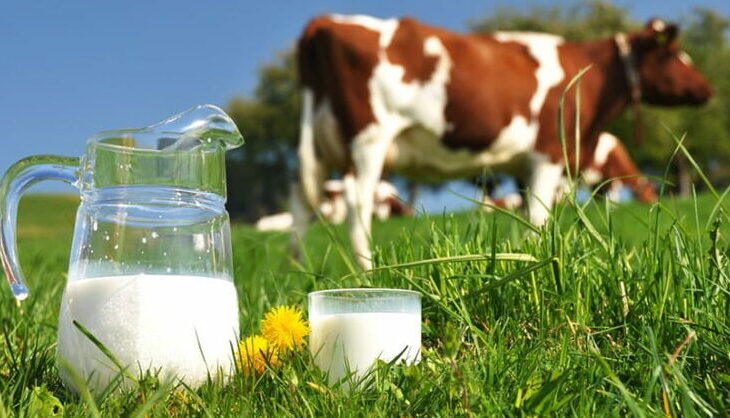
Milk is a dietary staple consumed worldwide, valued for its nutritional richness and versatility. However, as consumer preferences evolve, the milk processing industry has adapted to meet demands for healthier and more personalized products. Trends in fortification, dietary inclusivity, and functional enhancements are reshaping how milk is processed, marketed, and consumed. Here’s an in-depth look at these health and nutrition trends in milk processing.
1. Fortification of Milk
Fortification involves adding nutrients to milk to address dietary deficiencies and promote overall health. This trend has gained significant traction, especially in regions where nutrient deficiencies are prevalent.
Popular Fortified Additives
- Vitamins D and A: These are commonly added to milk to support bone health, boost immunity, and improve vision. Vitamin D-fortified milk is essential for combating rickets and osteoporosis.
- Calcium: While milk is naturally rich in calcium, extra calcium fortification ensures adequate intake, especially for populations at risk of bone density loss.
- Probiotics: Live beneficial bacteria are added to milk to promote gut health, digestion, and immunity.
Consumer Benefits
- Addresses micronutrient deficiencies.
- Enhances milk’s functional health properties.
- Increases appeal among health-conscious consumers.
2. Low-Fat and Skim Milk Products
With growing concerns about obesity and cardiovascular health, low-fat and skim milk products are becoming increasingly popular.
Processing Techniques
- Cream Separation: Fat is removed from whole milk using centrifugal force in cream separators.
- Standardization: The fat content is adjusted to meet the nutritional labeling requirements.
Consumer Appeal
- Health-conscious individuals prefer low-fat milk as it retains essential nutrients like protein and calcium while reducing caloric and fat content.
3. Lactose-Free Milk
Lactose intolerance affects a significant percentage of the global population, leading to the rise of lactose-free milk products.
How It’s Made
- Lactose is broken down into glucose and galactose using the enzyme lactase. This makes milk easier to digest for individuals with lactose intolerance.
Market Trends
- Increasing demand for lactose-free dairy due to its digestibility and appeal to health-conscious consumers.
- Available in flavored, fortified, and plant-based varieties to cater to diverse preferences.
4. A2 Milk: The Rise of Digestive-Friendly Dairy
A2 milk is derived from cows that produce milk containing only A2 beta-casein protein, believed to be easier to digest than the A1 protein found in most conventional milk.
Health Claims
- Reduced risk of digestive discomfort, such as bloating and gas.
- May appeal to individuals with mild dairy sensitivities.
Processing Considerations
- Genetic testing is used to identify cows that produce only A2 protein.
- Marketing emphasizes the natural and pure origin of A2 milk.
5. Functional Dairy Products
Functional dairy products include milk enriched with additional health benefits beyond basic nutrition.
Examples
- Protein-Enriched Milk: Targeted at athletes and fitness enthusiasts, this milk contains higher protein levels to aid muscle recovery and growth.
- Omega-3-Enriched Milk: Added omega-3 fatty acids support heart and brain health.
- Herbal Infusions: Some milk products include extracts like turmeric or ashwagandha for their anti-inflammatory and stress-relieving properties.
6. Clean Label and Natural Ingredients
Consumers are increasingly demanding transparency and simplicity in ingredient lists.
Clean Label Trends
- Milk products with no artificial additives, preservatives, or sweeteners.
- Organic milk that guarantees the absence of synthetic hormones, antibiotics, and pesticides.
Market Impact
- Builds consumer trust and loyalty.
- Aligns with the growing demand for sustainability and ethical production.
7. Plant-Based Milk Alternatives
Though not derived from dairy, plant-based milk alternatives are influencing trends in milk processing. These include almond, soy, oat, and coconut milk, often fortified with vitamins, minerals, and proteins to mimic dairy’s nutritional profile.
Consumer Preferences
- Lactose-intolerant or vegan individuals prefer plant-based options.
- Eco-conscious consumers view them as a more sustainable alternative.
8. Personalization and Customization
The modern consumer is looking for tailored dairy solutions to meet their specific health needs.
Examples
- Milk products tailored for specific age groups, such as toddlers, adults, or the elderly.
- Customizable nutrient profiles, allowing consumers to select their preferred levels of protein, calcium, or fat.
Challenges in Implementing Health Trends
- Cost Implications: Fortification and advanced processing techniques can increase production costs.
- Regulatory Compliance: Health claims on labels must meet strict regulatory standards.
- Consumer Awareness: Educating consumers about the benefits of enhanced milk products is critical for market acceptance.
Conclusion
Health and nutrition trends in milk processing reflect a shift toward addressing dietary needs, enhancing health benefits, and meeting consumer demands for sustainability and transparency. Whether it’s fortification, lactose-free options, or functional additives, these innovations are transforming milk from a staple beverage into a versatile, health-oriented product. By staying ahead of these trends, the dairy industry can cater to a diverse and health-conscious consumer base while promoting overall well-being.
